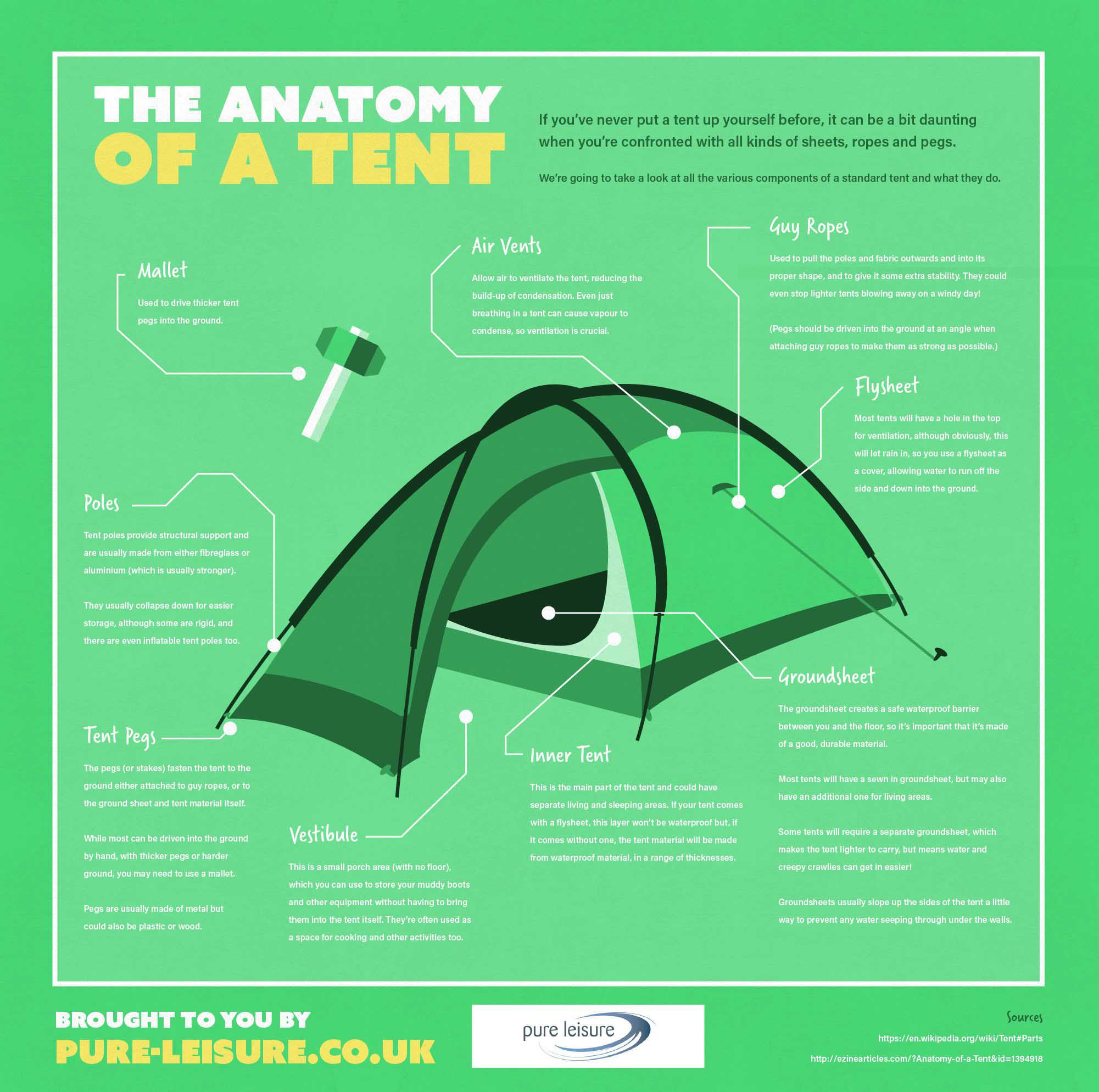
How to Maintain a Deluxe Canvas Outdoor Tents
A high-end canvas outdoor tents is a considerable financial investment-- one that guarantees years of comfy outside living when correctly looked after. Unlike synthetic outdoors tents that you can throw in a bag and forget, canvas requires a little bit even more focus. The good news is that with the best behaviors, your canvas outdoor tents will certainly not just last years however will actually enhance with age, growing extra weatherproof and characterful gradually.
Understanding Your Canvas
Before you can look after your tent effectively, it assists to recognize what you're working with. Deluxe canvas camping tents are generally made from cotton duck canvas or a cotton-polyester blend. Cotton canvas takes a breath naturally, manages interior temperature level, and establishes a tight, waterproof weave gradually as the fibers swell when damp-- a procedure called "flavoring.".
This breathability is one of canvas's greatest strengths, but it also implies the material is extra sensitive to wetness, mold, and dust than artificial options. Treat it well and it thrives. Overlook it and you'll be managing mold, rot, and compromised seams far quicker than you should.
Flavoring a New Canvas Outdoor Tents
If your outdoor tents is all new, flavoring it before its initial actual use is essential. Pitch the camping tent totally, then soak it thoroughly with water-- either by utilizing a yard tube or by pitching it throughout rainfall. Enable it to dry entirely while still pitched. Repeat this procedure 2 or 3 times.
What you're doing is motivating the canvas fibers to swell and tighten around the stitching openings, developing a natural barrier against water access. Avoiding this action indicates your very first rainstorm could leave you with a leaking tent and an aggravating introduction to canvas ownership.
Cleansing Your Canvas Outdoor Tents properly
Regular Cleansing After Each Journey
After every getaway, clean the inside to get rid of debris, leaves, and dirt. Use a soft-bristled brush to sweep down the outside wall surfaces, paying attention to the roof and joints where grime tends to build up. Never use detergents, bleach, or severe chemical cleaners-- these strip the all-natural oils from the canvas fibers and ruin any type of waterproofing therapies that have been applied.
For light dust, a wet fabric or sponge with ordinary water is all you require. Spot-clean spots delicately without scrubbing aggressively, as this can harm the weave.
Deep Cleaning Up for Stubborn Dust
For a much more comprehensive tidy, utilize a specialized canvas cleaner or a really light soap solution. Operate in little areas, scrubbing gently with a soft brush, and wash thoroughly. The crucial guideline below is easy: wash, rinse, and wash once again. Soap residue left in canvas can draw in dirt and break down the material with time.
Drying out Is Non-Negotiable
This is possibly the solitary crucial policy of canvas tent maintenance-- never camping cot ever store a wet or perhaps slightly wet tent. Dampness trapped inside a folded up canvas is the perfect atmosphere for mold and mildew and mildew, which spread out rapidly and are notoriously challenging to eliminate completely.
After cleansing or after joining in damp weather condition, enable the tent to completely dry fully in the open air prior to storage space. If you've had to load it damp due to time restrictions, unpack and air it out in the house as quickly as you return, even if that implies pitching it in your yard or draping it across exterior furniture.
Waterproofing and Re-Treating the Canvas
With time, the all-natural water resistance of your canvas will reduce, especially in high-wear areas like the roofing system, joints, and around zippers. Re-treating with a canvas waterproofing spray or wax-based item every one to 2 periods will restore this security.
Use the therapy to a tidy, completely dry tent, and work it uniformly throughout all surfaces. Pay extra interest to joints and sewing lines. Allow it to heal completely before folding the camping tent away.
Correct Storage Practices
Choosing the Right Storage Area
Shop your canvas outdoor tents in a cool, dry, and well-ventilated area away from straight sunlight. UV exposure compromises canvas fibers gradually. Prevent moist cellars, secured plastic containers, or anywhere vulnerable to condensation.
Just how to Fold up and Store
Fold your tent loosely instead of firmly compressing it. Tight folding anxieties the canvas along the very same fold lines repetitively, at some point creating the fibers to damage and fracture at those factors. A breathable storage space bag or a loosened canvas sack is far better than a sealed stuff sack.
Inspect Frequently and Repair Work Early
Make a practice of checking your camping tent before and after each trip. Check the joints, sewing, zippers, person lines, and posts. Little splits, loose stitching, or minor joint splitting up are easy to take care of with a canvas repair service patch and seam sealant. Left unaddressed, these small problems promptly come to be significant architectural problems that are expensive-- or impossible-- to completely restore.
A deluxe canvas tent compensates the proprietor who takes note. Build these behaviors into your camping routine and you'll be enjoying the very same camping tent for a generation.